
Happiness is often talked about as something we need to think our way into — a mindset shift, a holiday, or more time off. But how we feel emotionally is also closely connected to how well our body is nourished. While food isn’t a cure-all for stress, low mood, or burnout, what we eat can play a meaningful role in supporting brain chemistry, energy levels, and emotional resilience.
Rather than focusing on “feel-good” foods as indulgences, a more helpful perspective is to look at nourishment that supports steady blood sugar, healthy neurotransmitter production, and reduced inflammation. These are the foundations that allow your brain to do its job properly — including regulating mood, motivation, and focus.
So what are the so-called “secret” foods? They’re not exotic powders or expensive supplements. They’re everyday foods that quietly support your mental wellbeing when eaten regularly and in adequate amounts.
Protein: The Building Blocks of Mood
Protein is essential for producing neurotransmitters such as serotonin and dopamine, which influence mood, motivation, and emotional balance. If protein intake is too low, people often notice low energy, irritability, poor concentration, and increased cravings.
Including protein at meals and snacks can help stabilise blood sugar and support mental clarity. Helpful options include eggs, yoghurt, milk, fish, chicken, tofu, legumes, and nuts. You don’t need extreme amounts — just regular inclusion across the day.
Omega-3 Fats for Brain Health
Omega-3 fatty acids play a structural role in brain cells and are linked with emotional regulation. Diets low in omega-3s are associated with poorer mental health outcomes, while adequate intake supports brain function and may help reduce feelings of low mood over time.
Foods rich in omega-3s include salmon, sardines, trout, walnuts, chia seeds, and flaxseeds. Including these regularly supports both brain and heart health.
Carbohydrates Support Calm and Energy
Carbohydrates often get a bad reputation, but they are essential for mental wellbeing. Carbohydrates help transport tryptophan into the brain, which is needed to make serotonin — a key neurotransmitter involved in mood regulation.
Wholegrain bread, oats, rice, pasta, fruit, and starchy vegetables provide steady energy and help prevent the highs and lows that can come with under-fueling. When carbohydrates are paired with protein and fats, they help support sustained energy and emotional stability.
Magnesium-Rich Foods to Support Relaxation
Magnesium is involved in hundreds of processes in the body, including muscle relaxation, nervous system regulation, and sleep quality. Low magnesium intake may contribute to feelings of tension, poor sleep, and fatigue.
Foods rich in magnesium include nuts, seeds, wholegrains, legumes, leafy greens, and dark chocolate. Including a variety of these foods helps support a calmer nervous system.
Gut Health and Mood
The gut and brain are closely connected through the gut–brain axis. A healthy gut microbiome supports neurotransmitter production and inflammation control, both of which influence mood.
Fibre-rich foods such as vegetables, fruit, legumes, wholegrains, nuts, and seeds help nourish beneficial gut bacteria. Fermented foods like yoghurt also support gut health when tolerated.
Don’t Underestimate Eating Enough
One of the most overlooked contributors to low mood is simply not eating enough. Inadequate energy intake can lead to fatigue, irritability, brain fog, and reduced resilience to stress.
Regular meals and snacks help keep blood sugar stable and provide the brain with a consistent fuel supply. Skipping meals or relying on caffeine alone can make emotional regulation much harder.
Simple “Happy-Supportive” Food Ideas
Some easy, everyday combinations include:
- Yoghurt with fruit, nuts, and seeds
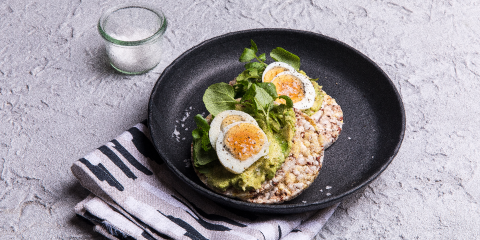
- Eggs on Corn Thins slices with avocado
- Salmon with rice and vegetables
- A smoothie with milk, banana, oats, and nut butter
- Stir-fried tofu or chicken with vegetables and noodles
These meals aren’t about perfection — they’re about consistency and adequacy.
Take Home Message
Feeling happier isn’t just about mindset — it’s also about meeting your body’s nutritional needs. Regular meals with enough protein, carbohydrates, healthy fats, and key micronutrients help support brain chemistry, energy levels, and emotional resilience. Small, consistent food choices can quietly make a big difference to how you feel day to day.